Filter Products
Search
Sort By :

Lab Beakers – Quality, Precision, and Performance for Any Lab at LDP
Laboratory Disposable Products (LDP) carries a vast selection of laboratory beakers to serve a wide range of scientific, industrial, and educational applications.
Of the most widely used pieces of lab plasticware and glassware, beakers are used on a daily basis in research, testing, and manufacturing processes for mixing, heating, measuring, and holding liquids and solutions.
No matter what your career in life sciences, chemistry, quality control, or education, the right beaker type is important for accuracy and safety.
From graduated beakers to Griffin style, low form, tall form, and disposable beakers, LDP has it all to suit every laboratory’s requirements.
Our product line includes high-quality products from top industry brands like BrandTech, Corning Glass, DWK LifeSciences, Dynalon, Globe Scientific, and many more.
Find Out the Types of Beakers We Have
LDP has a very wide range of beakers categorized based on material, shape, and use. Here is our description of our types:
Glass Beakers
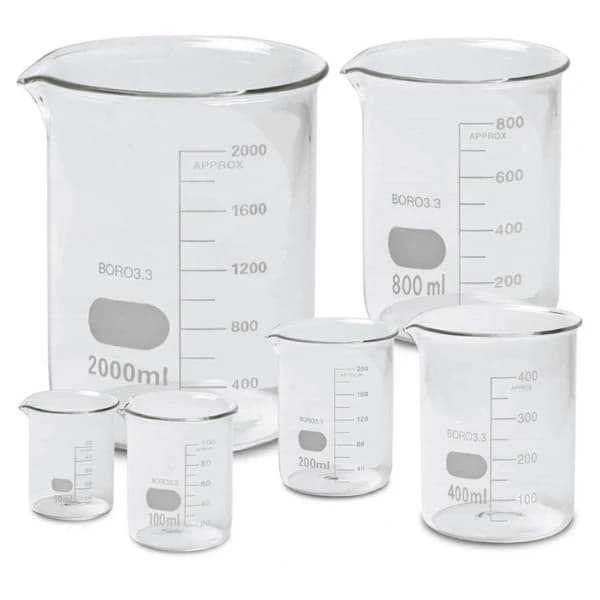
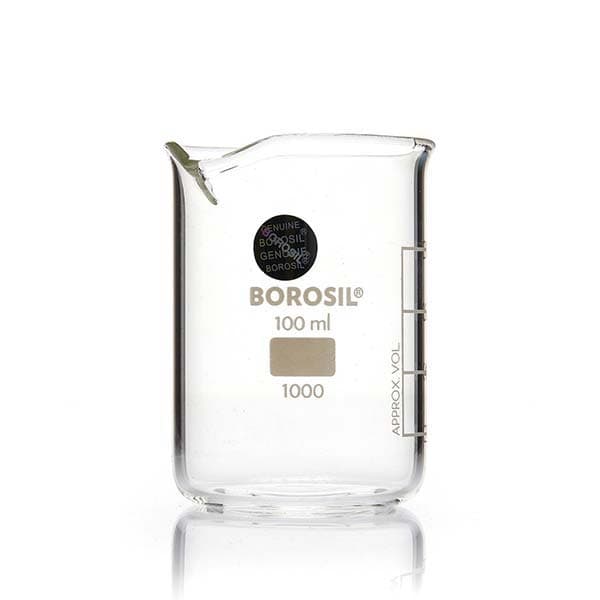
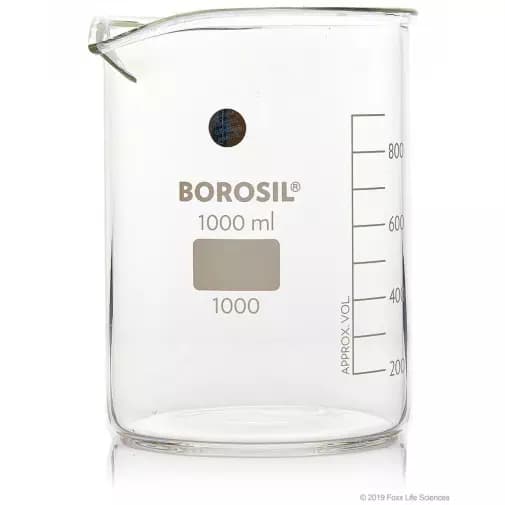
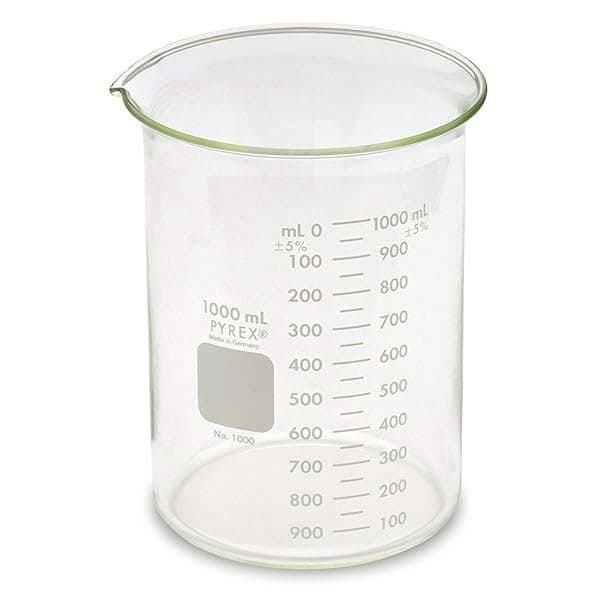
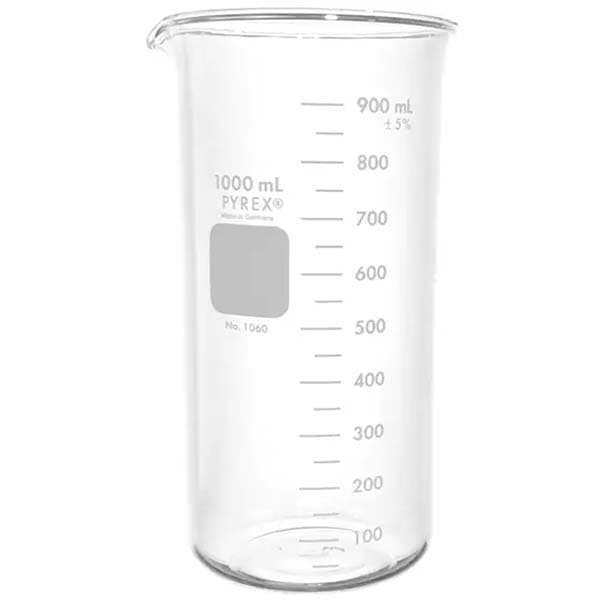
Our glass beakers are constructed of high-quality borosilicate glass, which is resistant to high heat, chemical resistance, and harsh laboratory uses. We recommend them to heat solutions, titrate, and mix chemicals.
- Excellent thermal shock resistance
- Clear, easy-to-read graduations
- Autoclavable and reusable
Polypropylene Beakers
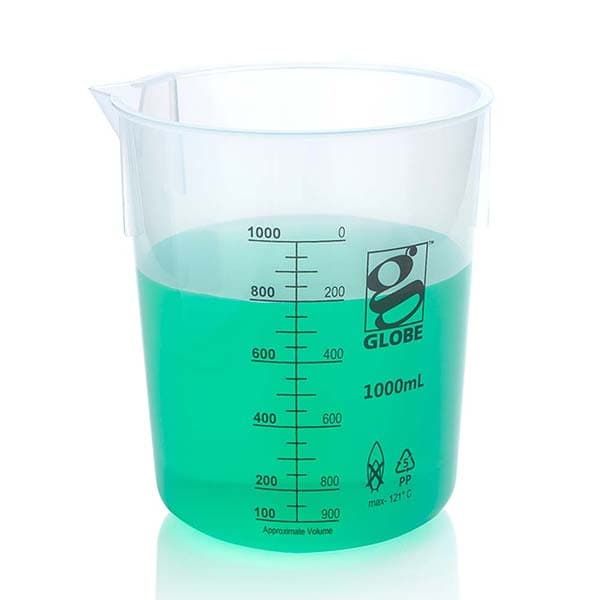
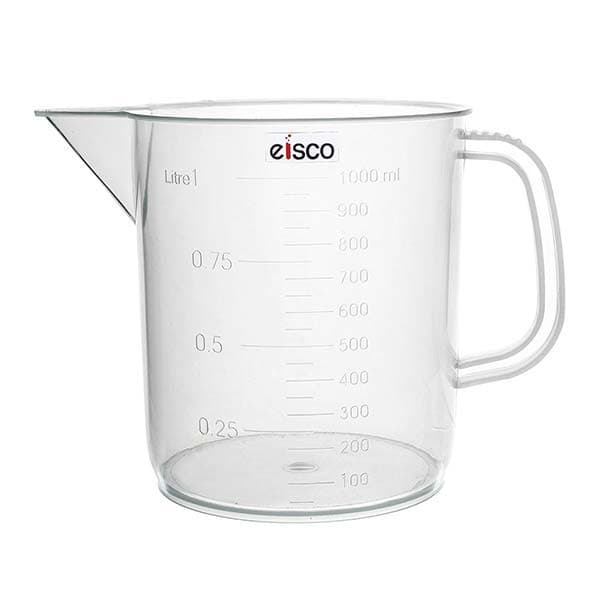
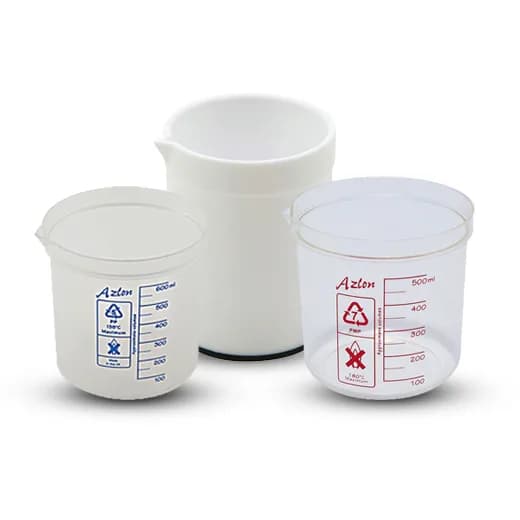
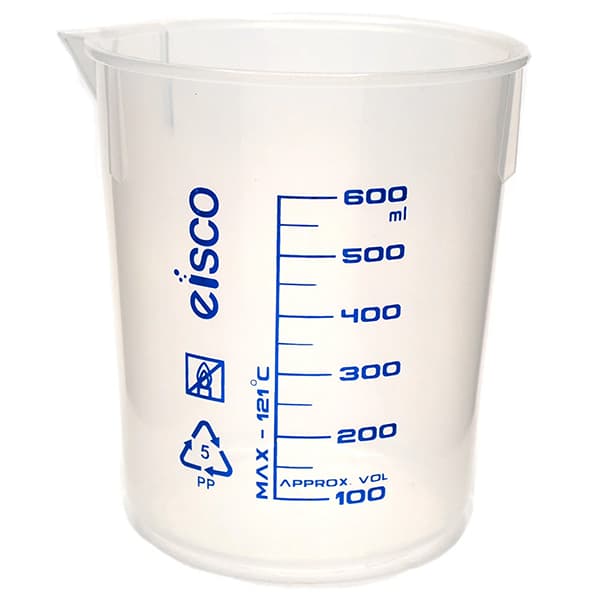
Our polyethylene (PE), polypropylene (PP), or polymethylpentene (PMP) beakers provide a lightweight, impact, chemical-proof alternative to glass. General lab laboratory use.
- Impact and chemically resistant
- Field and school ready
- Sizes available with and without graduations
Disposable Lab Beakers
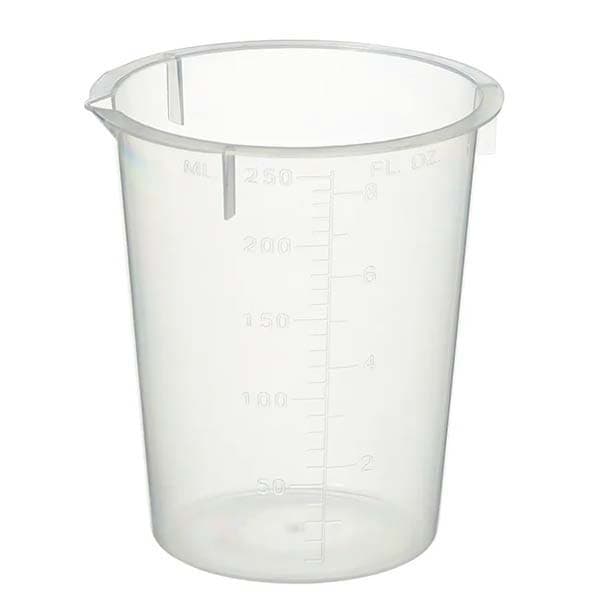
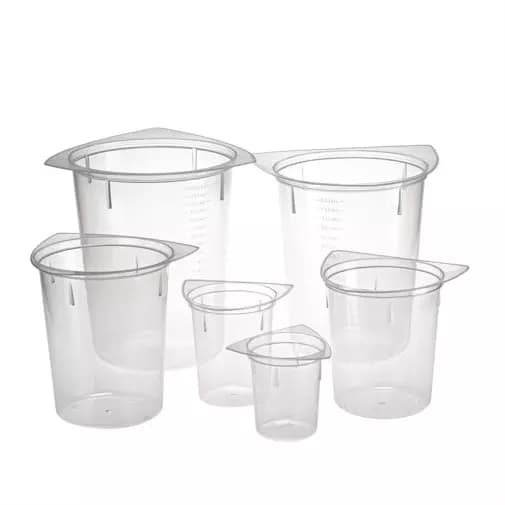
Our disposable beakers are best for one-time use and are ideal for contamination-free and safe procedures. Disposable beakers are widely used in diagnostic labs, quality control labs, and pharmaceutical manufacturing.
- Economical
- No cleaning or sterilization required
- Simple to use for high-throughput labs
Graduated Beakers
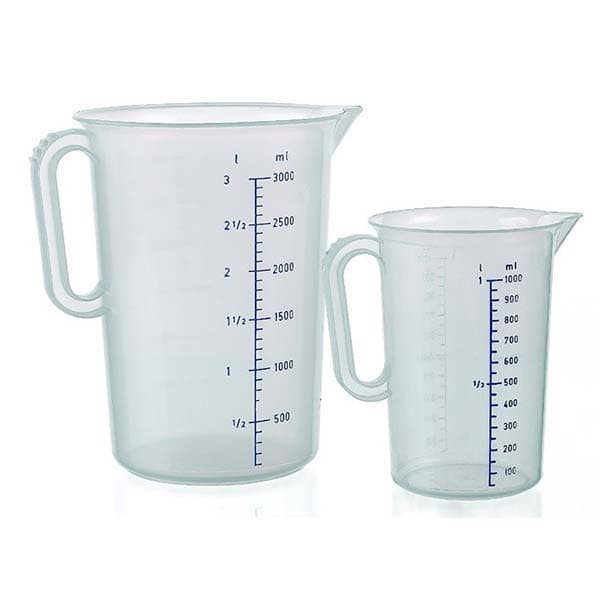
Graduated beakers offer high accuracy for volume measurement with embossed or printed graduations. They come in glass and plastic versions.
- High visibility graduations
- In metric and imperial graduations
- Suitable for qualitative and quantitative work
Griffin Style Beakers
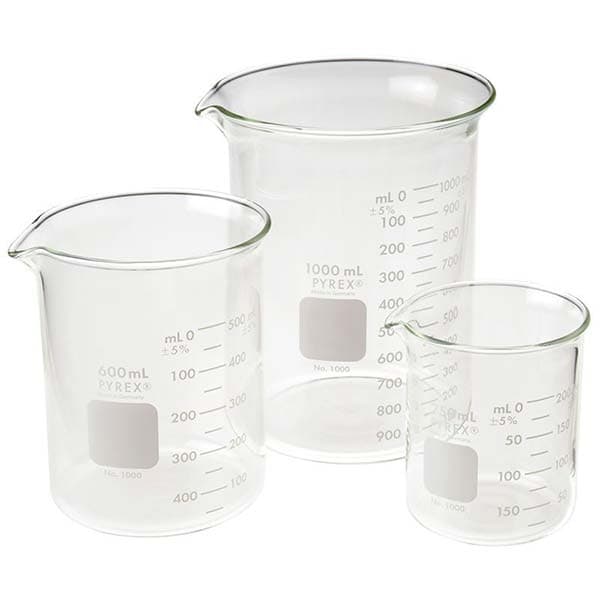
The Griffin beaker, or low-form beaker, is the most popular beaker shape and has a large spout and mouth. This beaker is ideal for general lab use.
- Short stature with wide base to provide stability
- Ideal for slow heat and mixing
- Widespread sight in any lab usage
Low Form Beakers
Similar to Griffin but smaller in size, low form beakers are tough and less tiring to utilize heating and mixing processes.
- Simple to stack and store
- Compatible for magnetic stirrer
Tall Form Beakers
Whenever procedures require a more profound vessel and reducing evaporation, tall form beakers prove useful in titrations and layering solutions.
- More control of mixing with smaller profile for leveling
- Less surface area exposure
Beaker Sets & Covers
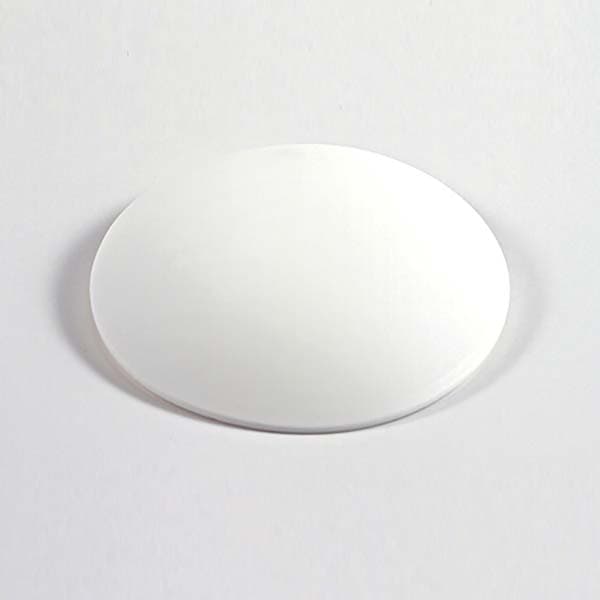
Find complete sets of beakers for kit-type experiments and educational laboratory use, and beaker covers to keep processes free from contamination or evaporation.
LDP’s Leading Laboratory Beaker Suppliers
Our commitment is to provide beakers from world-leading manufacturers, such as:
- BrandTech
- Corning Glass
- DWK Lifesciences
- Dynalon
- Foxx Life Sciences
- Globe Scientific
- Nalge Nunc
- Simport, and more.
All of our supplied brands are international laboratory standard and provide accuracy, quality, and reliability.
✅ Why Purchase Lab Beakers at LDP?
-
✅ Great Range:
With a tremendous range of beaker products, we provide all the laboratory sizes, styles, and requirements.
-
✅ Material Options:
Borosilicate glass, polypropylene, or disposable plastic.
-
✅ Quality Brands:
Laboratory equipment from Corning, DWK, Globe Scientific, etc., industry-leading brands.
-
✅ Application Specific Usage:
General lab use beakers, educational, sterile, etc.
-
✅ Quick Ship & In-Stock Products:
Quick ship products available on the majority of our inventory.
Your Source for Lab Beakers and Consumables
No matter the configuration of your lab, increase in workflow, or replacement of broken lab equipment, LDP has the right beaker for every application.
We enable researchers, educators, and laboratory specialists to carry on their tasks assuredly, utilizing precisely forged lab items that generate dependable and consistent results.
Order our full collection of lab beakers today — from disposable plastic beakers, to graduated Griffin, and glass beakers, we’re at your service to provide.
FAQs
❓What types of beakers are best for laboratory use?
Answer: The best beakers for lab use depend on your application. Glass beakers (borosilicate) are ideal for heating and chemical reactions, while plastic beakers are better for fieldwork or when breakage risk is a concern. Disposable beakers are suitable for single-use scenarios and contamination-sensitive procedures.
❓What is the difference between Griffin and tall form beakers?
Answer: Griffin beakers, also known as low-form beakers, have a wider diameter and are shorter in height, making them ideal for general mixing and heating. Tall form beakers are narrower and taller, offering more precision in volume control and reducing evaporation.
❓Are plastic beakers autoclavable?
Answer: Some plastic beakers made from polypropylene (PP) or PMP (polymethylpentene) are autoclavable and can withstand sterilization at high temperatures. Always check the manufacturer’s specifications before autoclaving.
❓Can I measure liquid volume accurately with a beaker?
Answer: Beakers offer approximate volume measurements and are not designed for high-precision work. For accurate volume measurement, use graduated cylinders or volumetric flasks.
❓What sizes do laboratory beakers come in?
Answer: Beakers are available in a wide range of sizes, typically from 10 mL up to 5,000 mL or more. Common lab sizes include 100 mL, 250 mL, 500 mL, 1,000 mL, and 2,000 mL.
❓What is a beaker made of?
Answer: Beakers can be made from borosilicate glass (heat and chemical resistant), polypropylene or PMP plastic (lightweight and break-resistant), or polystyrene for disposable options.
❓What are beaker covers used for?
Answer: Beaker covers help prevent contamination, reduce evaporation, and maintain sample integrity. They are often used in microbiology, chemistry, and sample storage applications.